
The Big Four
Home buying tips:
When buying a home, it’s important to look beyond the finishes and staging and focus on what really matters — the systems that keep the house safe, functional, and structurally sound. Identifying potential issues in the plumbing, electrical, roofing, and foundation early can help you avoid costly repairs down the road.
The most expensive problems usually come from what we call “the big four.” These include the plumbing, electrical systems, the roof and exterior, and the foundation — the core components that protect and support the home.
If any of these areas show visible damage or require major repairs, it may be a sign to pause and take a closer look — or even reconsider the purchase altogether. Spotting these red flags early can save you significant stress, time, and money.
Here’s what to watch for when evaluating a home.
The “Big Four” Home Issues to Watch Before You Buy
When touring a home, it’s easy to focus on the finishes — the kitchen, the paint colors, the staging. But the most important (and most expensive) problems are often hidden behind the walls.
Before making an offer, pay close attention to the home’s core systems:plumbing, electrical, roofing/exterior, and foundation because repairs in these areas can quickly become costly and complicated.
Here’s what to look for:

1. Plumbing Problems
Leaks don’t always announce themselves. Slow drips or hidden moisture can quietly cause damage for months — or years — before you notice.
As you walk through the home, check ceilings and walls for stains, bubbling paint, or warped drywall. If possible, visit during or after rain to spot drainage or flooding issues, especially in basements or lower levels. A musty or moldy smell is another red flag, often pointing to hidden leaks or excess moisture in vents or air systems.
Left unchecked, small plumbing issues can turn into major repairs.
2. Electrical Concerns
Electrical problems aren’t just inconvenient — they can be unsafe.
Older homes, in particular, may have outdated wiring that doesn’t meet current safety standards. Watch for flickering lights, warm outlets, or switches that don’t work properly. These small signs can indicate larger underlying issues.
During inspections, make sure the system is up to code and capable of supporting modern appliances and technology.

3. Roofing & Exterior Wear
The roof protects everything underneath it, so even minor damage can lead to bigger problems like water intrusion, mold, or structural decay.
Look for missing shingles, sagging areas, or signs of past leaks. And don’t just judge by appearance — ask when the roof was last replaced. Most roofs last around 20 years depending on materials, so an aging roof may mean budgeting for repairs sooner than expected.
A healthy roof equals long-term peace of mind.
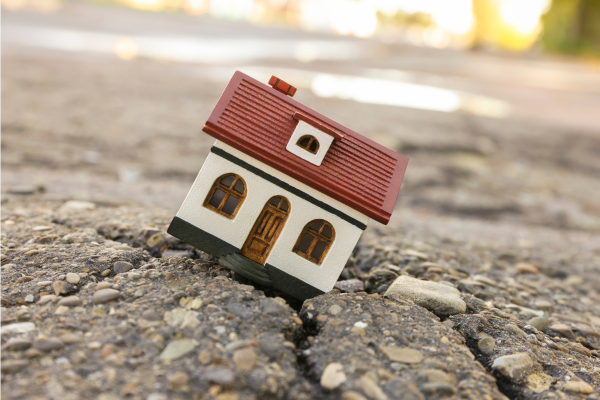
4. Foundation Issues
The foundation quite literally holds the entire home together.
Cracks in walls or floors, uneven surfaces, or doors that stick can all signal movement below. Foundation repairs tend to be complex and expensive, so this is one area where caution is key.
If you suspect any issues, bring in a professional for evaluation before moving forward. Structural concerns aren’t typically DIY fixes — they require expert guidance.
Cosmetic updates are easy. Structural repairs are not.
Paying attention to these four areas early can help you avoid surprise expenses and make a confident, informed decision.
When in doubt, lean on your inspector — and don’t be afraid to ask questions. A little diligence now can save a lot later.